Knowledge & Innovation

Medical Device Manufacturing Insights & Blog

Industry updates, engineering leadership, and vertical integration strategies from MedTech contract manufacturing experts.

0%

Choosing the right CT Diagnostic Injection Tubes in 2026 requires more than comparing prices or package sizes. These tubes connect the contrast injector to the patient, so their design can affect workflow, pressure control, sterility, and diagnostic consistency. A dependable selection begins with the injector model, intended contrast medium, flow rate, and scanning protocol.

Small details matter. Check the tube’s pressure rating, connector security, internal volume, and resistance to kinking. Inspect the package seal before use. Look for clear labeling, lot identification, expiration information, and traceable manufacturing records. The manufacturer’s instructions for use should remain the primary reference, especially when equipment, contrast concentration, or patient protocols change.

Compatibility comes first.

In clinical practice, a tube may appear suitable yet perform poorly under a high-flow cardiac study. A loose connection can create leakage, while excessive elasticity may reduce delivery precision. These risks deserve practical evaluation, not assumptions based only on marketing claims. Guidance from radiology professionals, biomedical engineers, procurement teams, and recognized quality standards can support a more reliable decision.

No product is perfect. Cost savings may disappear when a poorly matched tube causes delays, waste, or repeated setup. Sustainability also deserves attention, but environmental goals must not weaken sterility or patient safety. This guide examines the evidence, specifications, and real-world considerations behind modern CT Diagnostic Injection Tubes. It also questions common purchasing habits, because the fastest choice is not always the safest one.
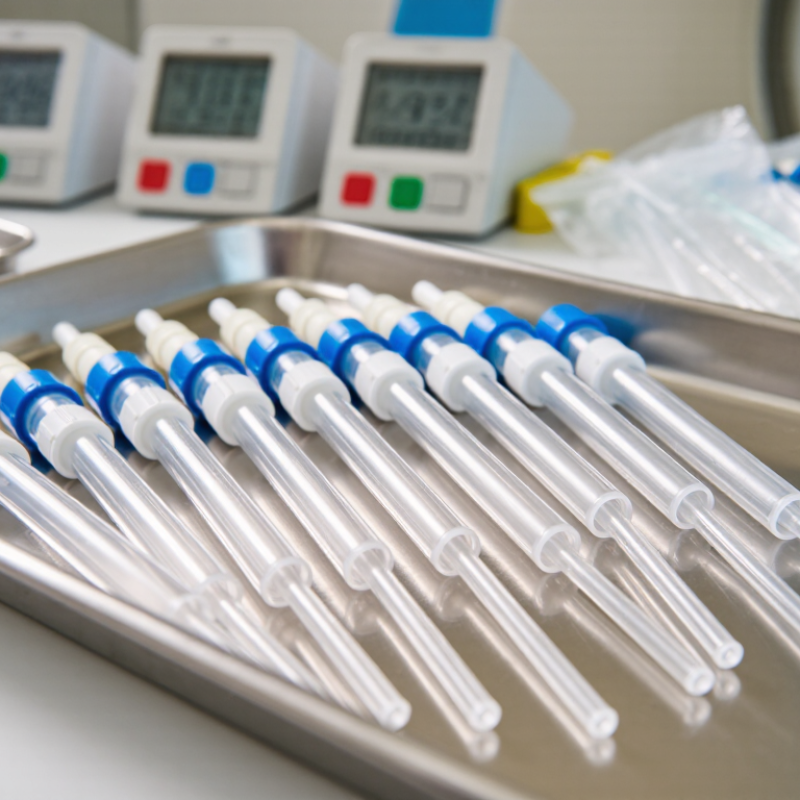
How to Choose CT Diagnostic Injection Tubes in 2026

CT Diagnostic Injection Tubes: Definition and Clinical Purpose

How to Choose CT Diagnostic Injection Tubes in 2026

CT diagnostic injection tubes are sterile fluid paths connecting a contrast syringe to a patient catheter. They carry iodinated contrast, saline, or both during power injection. Their clinical purpose is precise delivery at controlled flow and pressure. A suitable tube must tolerate the injector’s maximum pressure, maintain secure connections, and limit dead space. It should also allow clear air inspection before scanning. Small details matter. A trapped air bubble can interrupt workflow and create avoidable risk.

The ACR Manual on Contrast Media, 2024, reports acute adverse reactions to modern iodinated contrast at about 0.6%, with severe reactions near 0.04%. The same manual places contrast extravasation around 0.1% to 1.2%, depending on setting and technique. These figures do not belong to tubing alone. Yet they support careful tube selection, priming, inspection, and staff training. ESUR guidance also emphasizes controlled injection practices and equipment compatibility. Choose documented pressure ratings, compatible materials, low residual volume, and secure connectors.

In 2026, compare the tube with the complete injection pathway, not only the package label. Review sterility claims, packaging integrity, validation records, and lot traceability. Ask whether the length suits the scanner room without creating loops. I still see purchasing decisions driven mainly by price. That is a weak clinical argument. A perfect tube does not exist. Local testing may expose problems that a supplier datasheet misses. Record leaks, failures, and difficult priming, then revise the selection criteria.

How to Choose CT Diagnostic Injection Tubes in 2026

CT diagnostic injection tubes are sterile, pressure-rated fluid pathways that connect a contrast injector to the patient’s vascular access. Their clinical purpose is to deliver iodinated contrast and saline safely at the flow and pressure required by each CT protocol.

The chart shows typical adult and pediatric CT injection flow-rate ranges. When selecting a tube, confirm compatibility with the injector, pressure rating, connector security, internal volume, length, sterility, and the prescribed contrast protocol. Actual settings vary according to patient condition, vascular access, contrast concentration, and institutional guidelines.

Key Selection Criteria for CT Injection Tubes

How to Choose CT Diagnostic Injection Tubes in 2026

Key Selection Criteria for CT Injection Tubes

A reliable CT injection tube supports safe, repeatable contrast delivery during demanding imaging procedures. Selection should begin with pressure performance, not price or appearance. Check the maximum rated pressure against the injector’s programmed flow and pressure limits. Leave a practical safety margin. Small differences matter.

The tube’s internal diameter affects flow resistance, while its length influences dead space and pressure response. Match both dimensions to the imaging protocol. A long tube may waste contrast and delay delivery. A narrow lumen can increase resistance during high-flow studies.

Inspect connectors carefully. They should fit securely, seal consistently, and reduce accidental disconnection. Luer compatibility alone is not enough.

Material quality also deserves close review. Choose medical-grade materials with documented biocompatibility, clarity, flexibility, and resistance to contrast media. Confirm sterility, packaging integrity, expiration dates, and lot traceability before use. Temperature tolerance matters when contrast is warmed. Read the validated instructions, even when the setup looks familiar. That step is easy to skip. It should not be.

In clinical purchasing, compare evidence rather than marketing language. Request pressure-testing data, flow-rate guidance, and compatibility documentation. Staff feedback can reveal kinks, awkward connections, or difficult priming. Yet feedback is not a substitute for formal verification. A tube may perform well in one scanner room and poorly in another. Record failures and near misses honestly. Reassess the choice after protocol changes, because yesterday’s reliable setup may not fit tomorrow’s workflow.

Material, Pressure, and Compatibility Requirements

How to Choose CT Diagnostic Injection Tubes in 2026

Material selection affects safety, imaging quality, and workflow. Medical-grade PVC remains common because it is flexible and transparent. However, polyurethane or silicone may suit applications requiring greater chemical resistance. The ACR Manual on Contrast Media 2024 reports contrast extravasation rates of approximately 0.1% to 1.2%. Tubing material cannot prevent every event, but clear walls help staff detect leaks quickly. Check plasticizer content, extractables, and biocompatibility documentation. ISO 10993 testing provides a useful reference for biological safety.

Pressure ratings need careful interpretation. A tube marked for 300 psi may tolerate static pressure, not repeated high-flow pulses. Confirm the working pressure, burst pressure, flow rate, and temperature range together. IEC 60601-2-44 addresses CT equipment safety, while the injector manufacturer’s instructions define the practical connection requirements. A mismatch can cause swelling, disconnection, or rupture near the patient. Small details matter. I would also inspect luer fittings, check valves, and connector locks before every scan. This step feels routine, yet rushed preparation remains a weak point in many workflows.

Compatibility extends beyond contrast media. Verify compatibility with saline, disinfectant residue, injector heads, and warming systems. Concentration, viscosity, and temperature can change pressure behavior. The ACR manual emphasizes following validated device instructions rather than relying on general assumptions. That is important. A tube may look perfectly intact but still perform poorly after storage or repeated bending. Keep lot records, review failed connections, and involve radiographers during product evaluation. The cheapest option is not always the least expensive choice.

Evaluating Patient Safety and Injection Performance

How to Choose CT Diagnostic Injection Tubes in 2026

Evaluating Patient Safety and Injection Performance

Choosing a CT diagnostic injection tube requires more than checking its length or connector type. Patient safety depends on sterile packaging, secure connections, and clear pressure ratings. Fit matters. The tube should match the injector, catheter, and prescribed contrast protocol. A loose connection may cause leakage, while excessive resistance can reduce the intended flow rate.

Review the tube’s material compatibility with the contrast medium, saline, and warming conditions. Examine the internal pathway for smooth flow and minimal air trapping. Air is unforgiving. Before use, trained staff should prime the line carefully and inspect it under adequate lighting. Small bubbles, unusual stiffness, or damaged packaging deserve immediate attention. Local procedures and the manufacturer’s instructions should guide every setup.

Injection performance also depends on pressure stability. A suitable tube should tolerate the expected flow rate without bulging, kinking, or disconnecting. Longer tubing may increase resistance, especially during rapid injections. This detail is easy to overlook. A practical evaluation should include simulated use, pressure monitoring, and inspection after injection. Documenting leaks, occlusions, and connection failures can reveal patterns across examination rooms.

I would not treat a clean appearance as proof of reliability. No tube is perfect. Staff workload, patient movement, temperature, and rushed preparation can expose weaknesses that bench testing misses. Regular competency checks and honest incident reviews help turn those weaknesses into safer purchasing decisions.

Storage, Inspection, and Replacement Guidelines

How to Choose CT Diagnostic Injection Tubes in 2026

Storage and inspection deserve more attention than price.

Keep unopened CT injection tubes in their original packaging, away from direct sunlight, moisture, dust, and sharp temperature changes. Follow the manufacturer’s storage range and expiry date. Do not use a package with a broken seal, crushed corners, or unclear labeling.

Inspect every tube before connection. Check the connectors, clamps, tubing wall, and patient-end tip. Look for cracks, cloudiness, kinks, particles, or loose fittings. A clean-looking tube can still fail.

WHO’s 2023 patient safety fact sheet estimates that one in ten patients experiences harm during healthcare, with more than half considered preventable. That figure is not specific to injector tubing, but it supports disciplined handling.

AAMI ST91:2021 also emphasizes documented inspection and process control for critical fluid-path equipment.

Replace single-use tubing after each examination, even when no damage is visible. Replace it immediately after leakage, pressure alarms, contamination, or accidental disconnection. Never stretch a tube to reach the patient.

In daily practice, rushed checks remain a weak point. Our checklist may say “inspected,” while nobody records what was actually seen.

A short inspection log should include the lot number, opening time, operator, and replacement reason. Retain these records according to facility policy and applicable regulatory requirements.

FAQS

Why does tube material matter in CT injection procedures?

Medical-grade PVC is flexible and transparent. Polyurethane or silicone may offer greater chemical resistance. Clear walls help staff spot leaks quickly.

Does a pressure rating of 300 psi guarantee safe performance?

Not necessarily. It may describe static pressure only. Confirm working pressure, burst pressure, flow rate, and temperature limits together.

What should staff inspect before connecting the tube?

Check luer fittings, connector locks, and check valves. Look for damaged packaging or unusual stiffness. Small details matter.

How can tubing affect injection flow?

Excessive resistance may reduce the intended flow rate. Long tubing, kinks, or swelling can worsen pressure behavior. Smooth pathways are preferable.

What substances must the tube be compatible with?

Check compatibility with contrast medium, saline, disinfectant residue, and warming systems. Concentration, viscosity, and temperature can change performance.

How should staff reduce air inside the injection line?

Prime the line carefully under adequate lighting. Inspect for small bubbles before connection. Air is unforgiving.

Can a clean-looking tube still fail during use?

Yes. Storage, repeated bending, patient movement, and temperature may weaken performance. A clean appearance proves very little.

How can facilities evaluate tubes before routine purchasing?

Use simulated injections and pressure monitoring. Record leaks, occlusions, and failed connections. I would also involve radiographers. Their practical feedback may reveal overlooked problems.

Conclusion

Choosing the right CT Diagnostic Injection Tubes in 2026 is essential for reliable contrast delivery, accurate imaging, and patient safety. These tubes are designed to connect the contrast injector with the patient, supporting controlled administration during CT examinations. Selection should consider tube length, internal diameter, connector design, pressure resistance, flexibility, and compatibility with the injector, contrast medium, and catheter system. Materials must be medical-grade, durable, and suitable for the required flow rate and pressure range.

Performance and safety should be evaluated through secure connections, leak resistance, smooth contrast delivery, and minimal risk of air entry or contamination. Before use, healthcare staff should inspect packaging, tube integrity, connectors, and expiration information. Proper storage in a clean, dry environment helps preserve product quality. Any tube showing damage, leakage, deformation, contamination, or expired status should be removed from service and replaced according to institutional procedures. Careful selection and routine inspection can support consistent imaging outcomes and safer clinical workflows.

Ethan

Ethan

Ethan is a dedicated marketing professional with a deep expertise in his company's product offerings. He possesses an impressive understanding of market trends and consumer behavior, allowing him to craft compelling narratives that resonate with target audiences. With a passion for sharing......