Knowledge & Innovation
Medical Device Manufacturing Insights & Blog
Industry updates, engineering leadership, and vertical integration strategies from MedTech contract manufacturing experts.
Blog

Why Are Bioelectronic Pain Management Devices in Demand?
Why Are Bioelectronic Pain Management Devices in Demand?
A person with chronic pain may plan each day around a flare: the stairs, a long drive, or simply getting through work. For many, medication alone does not provide enough relief, while side effects can complicate daily routines. This is one reason interest in Bioelectronic Pain Management Devices is growing. These technologies use electrical stimulation to influence nerve activity. Options include external TENS units and implanted spinal cord or peripheral nerve stimulators. They are not interchangeable, and suitability depends on the patient, diagnosis, and clinical assessment.
Bioelectronic medicine researcher Dr. Kevin J. Tracey has helped shape this field. A useful summary of his research is that targeted nerve signals may influence bodily processes; this is a paraphrase, not a verbatim quotation. Applied to pain care, the idea is practical but not magical: a clinician programs a device, then evaluates whether stimulation improves symptoms and function. Some patients may benefit. Others may not. Device trials, follow-up visits, programming adjustments, and possible procedural risks deserve attention alongside potential relief. Evidence and outcomes also vary by device and condition. That matters.
Demand reflects a search for more personalized, non-drug treatment options, not proof that devices work for everyone or replace other care. Patients should ask what benefit is realistic, how success will be measured, and what happens if stimulation falls short. This field is promising, yet the honest answer can be uncertain.
Read more »
 By:Lila
- November 16, 2026

How to Choose Bioprocessing Containment Systems in 2026
Bioprocessing Containment Systems are not just barriers around a process. They shape how operators handle powders, connect single-use assemblies, and transfer materials between rooms. In 2026, selection means matching containment performance to the product, process steps, cleaning strategy, and facility layout. A glove port may look simple. Its reach, visibility, and position can decide whether routine work feels controlled or awkward.
Dr. Tim Sandle, a pharmaceutical microbiologist whose work includes contamination control, offers relevant expertise. However, no source text was provided to verify a verbatim quotation from him, so attributing invented words would be unreliable. His published focus makes a useful point for this decision: containment belongs within a broader, risk-based contamination-control approach. That is a paraphrase, not a direct quote.
The practical assessment starts with real tasks. Watch an operator weigh material, seal a transfer bag, or clear a jam. Note where hands reach and where connections break. Then compare containment options against measurable needs, including airflow, ergonomics, maintenance, and integration with existing equipment. A specification sheet cannot reveal every snag. Nor does the most complex system automatically offer the best fit. Sometimes the weak point is a small transfer step that the design team barely noticed. This guide examines how to ask better questions, assess trade-offs, and choose a system that supports both protection and dependable daily operation.
Read more »
 By:Sofia
- November 11, 2026

How to Find Robotic Surgical Instrument Manufacturers?
Finding a reliable robotic surgical instrument manufacturer takes more than comparing product photos or unit prices. These instruments must work accurately with a specific robotic platform, withstand repeated handling, and meet clearly documented performance requirements. Small details matter: a joint that moves smoothly, a secure instrument connection, and consistent material finishes can affect daily use. Ask how the manufacturer verifies these details. Request technical specifications, inspection records, and examples of traceability documentation. Good answers should be specific, not just reassuring.
Robotic Surgical Instruments Manufacturing involves close coordination between design, materials, machining, assembly, and quality control. When assessing a supplier, look for relevant manufacturing experience and a clear process for managing design changes. Ask about testing methods, packaging, sterilization compatibility, and post-sale technical support. If a claim is important, request evidence and confirm that it applies to the instrument model you are considering. A polished brochure is not enough.
Listen for what the manufacturer cannot yet confirm. That matters.
The right partner should explain capabilities plainly, identify limitations, and respond consistently to technical questions. Compare suppliers using the same criteria, and involve clinical, engineering, and procurement teams where appropriate. A factory visit or detailed video review may reveal practical issues, such as inspection equipment, assembly cleanliness, or how finished instruments are protected. Still, one visit cannot prove every claim. Keep notes, verify documents, and allow time for a careful assessment. No supplier is perfect, and a confident sales presentation can still leave gaps. The goal is not to find flawless promises, but a capable manufacturer whose evidence, communication, and support fit your needs.
Read more »
 By:Ethan
- November 6, 2026

Why Choose Tracheostomy and Airway Tubes?
Why Choose Tracheostomy and Airway Tubes? This question requires more than a quick procedural answer. It demands careful assessment of breathing, airway protection, ventilation needs, and the patient’s long-term goals. Tracheostomy and Airway Tubes may support patients who need prolonged mechanical ventilation or have upper-airway obstruction. They can also make secretion management and bedside care more practical in selected cases.
Pulmonologist and tracheostomy researcher John F. Heffner, MD, has emphasized, “The decision to perform a tracheostomy should be individualized.” That principle remains essential. A tube can reduce airway resistance and improve access for suctioning. It may also support communication, rehabilitation, and gradual ventilator weaning when the clinical team selects the right design.
But a tracheostomy is not a simple shortcut. It creates a new care pathway. Nurses and caregivers must watch the skin, cuff pressure, secretions, tube position, and emergency equipment. A blocked tube can become dangerous within minutes. The patient may experience discomfort, altered speech, anxiety, or difficulty swallowing. These details are easy to underestimate.
Experience shows that outcomes depend on more than insertion technique. They also depend on training, follow-up, humidification, cleaning, and a clear emergency plan. The evidence is strong in some situations, yet uncertain in others. That uncertainty deserves honest discussion. Families should ask why the tube is needed, how long it may remain, and what successful recovery could look like. The best decision is individual, informed, and regularly reviewed.
Read more »
By:Lila
- November 1, 2026

Why Choose Medical Chromatography Tubing for Global Labs?
Why Choose Medical Chromatography Tubing for Global Labs?
Global laboratories face stricter expectations for sample integrity, process control, and documented traceability. Medical Chromatography Tubing supports these demands through controlled fluid paths and consistent material performance. Grand View Research reports continued growth in the global chromatography instruments market, driven by pharmaceutical quality testing, biotechnology, and clinical research. This growth increases pressure on every connected component, including tubing, fittings, and seals. Small failures can waste valuable samples. They can also delay release decisions.
Material choice matters.
Medical Chromatography Tubing is commonly selected for low extractables, chemical compatibility, and stable internal surfaces. These properties help protect proteins, buffers, and sensitive analytical samples during repeated runs. The USP and ISO 10993 frameworks also encourage evidence-based evaluation of materials, biological safety, and risk. However, compliance should never be assumed from a product label alone. Laboratories should review certificates, batch records, pressure ratings, and cleaning guidance before adoption.
That is the practical view.
MarketsandMarkets identifies biopharmaceutical manufacturing and analytical testing as major contributors to chromatography demand. In these environments, tubing must perform consistently across different instruments, climates, and maintenance routines. A reliable supplier should provide technical data, traceable production records, and responsive support across regions. Yet no tubing is universally perfect. Some materials may offer excellent chemical resistance but reduced flexibility. Others may handle movement well but require stricter cleaning controls. Careful validation remains essential.
For global labs, the strongest choice combines documented quality, application experience, and realistic risk assessment. Performance should be measured, not merely promised.
Read more »
By:Lila
- October 27, 2026

How to Choose CT Diagnostic Injection Tubes in 2026
Choosing the right CT Diagnostic Injection Tubes in 2026 requires more than comparing prices or package sizes. These tubes connect the contrast injector to the patient, so their design can affect workflow, pressure control, sterility, and diagnostic consistency. A dependable selection begins with the injector model, intended contrast medium, flow rate, and scanning protocol.
Small details matter. Check the tube’s pressure rating, connector security, internal volume, and resistance to kinking. Inspect the package seal before use. Look for clear labeling, lot identification, expiration information, and traceable manufacturing records. The manufacturer’s instructions for use should remain the primary reference, especially when equipment, contrast concentration, or patient protocols change.
Compatibility comes first.
In clinical practice, a tube may appear suitable yet perform poorly under a high-flow cardiac study. A loose connection can create leakage, while excessive elasticity may reduce delivery precision. These risks deserve practical evaluation, not assumptions based only on marketing claims. Guidance from radiology professionals, biomedical engineers, procurement teams, and recognized quality standards can support a more reliable decision.
No product is perfect. Cost savings may disappear when a poorly matched tube causes delays, waste, or repeated setup. Sustainability also deserves attention, but environmental goals must not weaken sterility or patient safety. This guide examines the evidence, specifications, and real-world considerations behind modern CT Diagnostic Injection Tubes. It also questions common purchasing habits, because the fastest choice is not always the safest one.
Read more »
By:Ethan
- October 22, 2026

Top 10 Medical Grade Silicone Molding Manufacturers
Choosing among the Top 10 Medical Grade Silicone Molding Manufacturers requires more than comparing production capacity or website claims. Medical components must perform reliably inside demanding clinical environments. A small flash edge, trapped air pocket, or inconsistent Shore hardness can affect assembly and patient safety.
This introduction evaluates manufacturers through practical evidence. The review considers liquid silicone rubber processing, cleanroom controls, mold precision, validation records, and traceability. It also examines experience with seals, tubing components, wearable devices, and implantable products. Reliable suppliers should explain their ISO 13485 systems, material certificates, cavity control, and inspection methods clearly. They should also discuss design-for-manufacturing decisions before cutting steel.
Quality expert Philip Crosby stated, “Quality is free.” His point remains useful here. Prevention usually costs less than discovering defects after tooling, testing, or launch. Still, supplier selection is rarely perfect. A polished website does not prove process stability. A large factory may not provide the best engineering support. Even strong manufacturers can show weaknesses in communication, documentation, or change control.
The companies discussed in this guide are assessed against measurable manufacturing signals. These include repeatable molding cycles, controlled curing, clean handling, and responsive technical support. Readers should treat the list as a starting point, not a final verdict. An on-site audit, sample review, and quality agreement remain essential. The best Medical Grade Silicone Molding partner combines material knowledge with disciplined execution. That combination is visible in the details.
Read more »
By:Sofia
- October 17, 2026

Why Choose Medical Extrusion Prototyping for Custom Tubing?
Why Choose Medical Extrusion Prototyping for Custom Tubing?
Medical Extrusion Prototyping helps medical device teams evaluate custom tubing before committing to full-scale production. It supports practical testing of dimensions, flexibility, flow performance, and connector fit. Engineers can examine a tube under real handling conditions, not only on a computer screen. A prototype may reveal uneven walls, excessive stiffness, or unexpected kinking. These details matter when tubing must guide fluids safely and consistently.
The process also supports informed material selection. Teams can compare medical-grade polymers according to transparency, hardness, chemical resistance, and sterilization compatibility. Small production runs make design changes more manageable. This can reduce wasted material and clarify manufacturing requirements. Experienced suppliers can assist with drawings, tolerances, tooling considerations, and inspection plans. Reliable documentation remains essential. Each sample should be linked to defined specifications and test results.
Still, prototyping is not a magic shortcut. A promising sample can fail later. Scale-up may change performance. That possibility deserves attention. Prototype results should therefore be reviewed with manufacturing, quality, and clinical engineering specialists. Testing should reflect the tubing’s intended environment, including pressure, temperature, bending, and connection stresses. No single prototype answers every question. However, Medical Extrusion Prototyping provides visible evidence for better decisions. It turns uncertain concepts into measurable designs. With careful review, teams can refine custom tubing before larger investments begin. Mistakes may still occur, but they become easier to identify, discuss, and correct.
Read more »
By:Ethan
- October 12, 2026

Top 10 Custom Medical Device Tooling Suppliers Worldwide?
Custom Medical Device Tooling has become a quiet foundation of modern medical manufacturing. Behind every molded catheter hub, surgical handle, and diagnostic cartridge, precise tooling controls repeatability, surface quality, and production speed. Small dimensional errors can create large clinical and financial consequences.
Fortune Business Insights valued the global medical devices market at approximately $512.29 billion in 2022. Its report projects the market could reach $799.67 billion by 2030. This expansion increases pressure on suppliers to deliver reliable molds, dies, fixtures, and production-ready tooling. The FDA’s Quality Management System Regulation, effective February 2, 2026, also aligns U.S. requirements more closely with ISO 13485:2016. Documentation is no longer optional.
W. Edwards Deming, a leading quality-management expert, stated, “Quality comes not from inspection, but from the improvement of the production process.” That principle remains highly relevant to Custom Medical Device Tooling. Strong suppliers demonstrate process control before final inspection. They explain steel selection, tolerance capability, validation planning, maintenance, and traceability clearly. Their workshops should show more than polished machines. Look for measured inspection reports, controlled clean areas, and technicians handling delicate inserts under magnification.
This ranking examines ten worldwide suppliers through those practical signals. It considers engineering depth, regulated-market experience, material expertise, lead times, and after-sales support. No ranking is perfect. Supplier capabilities change, and public information can hide important limitations. Buyers should still verify certifications, sample parts, audit records, and realistic production references before approving a partner.
Read more »
By:Ethan
- October 7, 2026

2026 Top Types of Medical IV Sets and Connectors for Buyers
In 2026, Medical IV Sets and Connectors are no longer simple disposable accessories. They influence flow accuracy, medication delivery, infection prevention, and daily clinical efficiency. A buyer may see two connectors with similar labels, yet their internal pathways, dead space, seal design, and activation methods can differ significantly. Small details matter.
Mauro Pittiruti, a respected vascular-access specialist, frames device selection with a practical principle: “The right catheter for the right patient, for the right therapy, at the right time.” This idea should guide every purchasing decision. The best IV set depends on patient age, therapy duration, infusion pressure, solution viscosity, access location, and expected replacement interval. Needleless connectors also require careful review. Buyers should examine neutral or positive displacement, reflux control, luer compatibility, disinfection time, and resistance to repeated access.
A strong purchasing process also checks material safety, packaging integrity, sterilization information, traceability, and compatibility with pumps or other equipment. Relevant standards and local medical-device requirements must be verified before approval. Product brochures are useful. They are not enough.
Real-world handling can expose problems that laboratory claims miss. A connector may feel secure but create unwanted resistance. A compact IV set may reduce clutter but complicate emergency access. These trade-offs deserve honest attention. No guide removes every uncertainty. Still, comparing clinical evidence, supplier reliability, staff experience, and total operating cost can prevent avoidable mistakes. This overview examines the top types of Medical IV Sets and Connectors for buyers who need safer, clearer, and more practical choices in modern healthcare settings.
Read more »
By:Sofia
- October 2, 2026
How to Choose UHMWPE Medical Components?
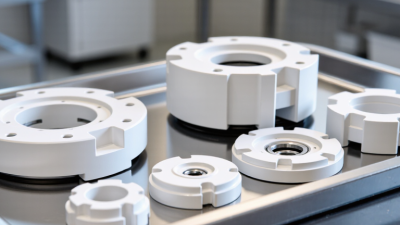
Choosing UHMWPE Medical Components is not just a material-selection exercise. The right choice depends on the component’s role, contact conditions, expected service life, and manufacturing process. A bearing surface in a joint replacement faces different demands from a guide, spacer, or other medical part. Small details matter: a sharp edge, a tight tolerance, or repeated loading can change performance. The label alone is not enough.
Start with the application. Define the loads, motion, temperature range, and contact environment as clearly as possible. Then compare material grades using current technical data, including mechanical properties, cleanliness controls, and available traceability. Ask how the material is machined and finished. A smooth-looking surface may still contain marks that affect wear or cleaning. Request evidence, not just assurances. Test results are useful only when their methods and conditions resemble the intended use.
Sterilization also deserves early attention. Different methods can affect material properties, so confirm compatibility for the specific grade and process. Review supplier documentation, lot identification, and quality controls, then evaluate the finished component—not only the raw resin. That sounds straightforward. It isn’t always. A promising datasheet cannot replace application-specific testing, and one material choice rarely resolves every design trade-off. The device manufacturer remains responsible for assessing the component within the complete device and its validated processes. A careful selection process may take longer, but it makes assumptions visible. That is a practical place to begin.
Read more »
By:Lila
- September 27, 2026
China Top 10 Orthopedic Implants Manufacturers
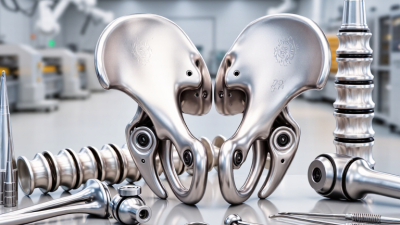
China’s orthopedic implant sector has moved from cost-driven production toward precision engineering, clinical validation, and international quality management. This article introduces China Top 10 Orthopedic Implants Manufacturers and examines how they compete in a demanding medical technology market.
The review considers implant materials, machining accuracy, surface treatment, sterilization controls, and traceability. It also examines product portfolios, including joint replacements, trauma plates, spinal systems, and surgical instruments. These details matter. A polished implant is not enough. Manufacturers must demonstrate consistent tolerances, documented testing, and dependable post-market support.
Dr. John Charnley, a pioneer of modern joint replacement, stated, “The goal of total hip replacement is to restore the patient to a normal life.” That principle remains central to Orthopedic Implants Manufacturing. It connects factory decisions with real outcomes, such as reduced pain, stable fixation, and improved mobility.
The manufacturers discussed here are assessed through publicly available certifications, technical capabilities, export experience, and evidence of clinical cooperation. Regulatory expectations differ across China, Europe, the United States, and other markets. Readers should verify current certificates and approvals before making commercial decisions.
No ranking is flawless. Manufacturing capacity can change quickly. Public information can also be incomplete. Some companies communicate strongly but disclose little technical detail. Others appear less visible while maintaining impressive production discipline.
This guide therefore avoids judging reputation alone. It focuses on evidence, practical performance, and the questions buyers should ask before selecting a Chinese orthopedic implant partner. The goal is not to promote every listed company. It is to support more careful comparison.
Read more »
By:Ethan
- September 22, 2026