Medical Device Manufacturing Insights & Blog
Industry updates, engineering leadership, and vertical integration strategies from MedTech contract manufacturing experts.
Top 10 Medical Grade Silicone Molding Manufacturers
Table of Contents
- Medical-Grade Silicone Molding: Definition, Uses, and Industry Standards
- How to Evaluate Medical-Grade Silicone Molding Manufacturers
- Medical Silicone Molding Processes, Technologies, and Quality Controls
- Top 10 Medical-Grade Silicone Molding Manufacturers Compared
- Applications and Selection Considerations for Medical Silicone Components
- FAQS
- Conclusion
- Related Posts
Choosing among the Top 10 Medical Grade Silicone Molding Manufacturers requires more than comparing production capacity or website claims. Medical components must perform reliably inside demanding clinical environments. A small flash edge, trapped air pocket, or inconsistent Shore hardness can affect assembly and patient safety.
This introduction evaluates manufacturers through practical evidence. The review considers liquid silicone rubber processing, cleanroom controls, mold precision, validation records, and traceability. It also examines experience with seals, tubing components, wearable devices, and implantable products. Reliable suppliers should explain their ISO 13485 systems, material certificates, cavity control, and inspection methods clearly. They should also discuss design-for-manufacturing decisions before cutting steel.
Quality expert Philip Crosby stated, “Quality is free.” His point remains useful here. Prevention usually costs less than discovering defects after tooling, testing, or launch. Still, supplier selection is rarely perfect. A polished website does not prove process stability. A large factory may not provide the best engineering support. Even strong manufacturers can show weaknesses in communication, documentation, or change control.
The companies discussed in this guide are assessed against measurable manufacturing signals. These include repeatable molding cycles, controlled curing, clean handling, and responsive technical support. Readers should treat the list as a starting point, not a final verdict. An on-site audit, sample review, and quality agreement remain essential. The best Medical Grade Silicone Molding partner combines material knowledge with disciplined execution. That combination is visible in the details.
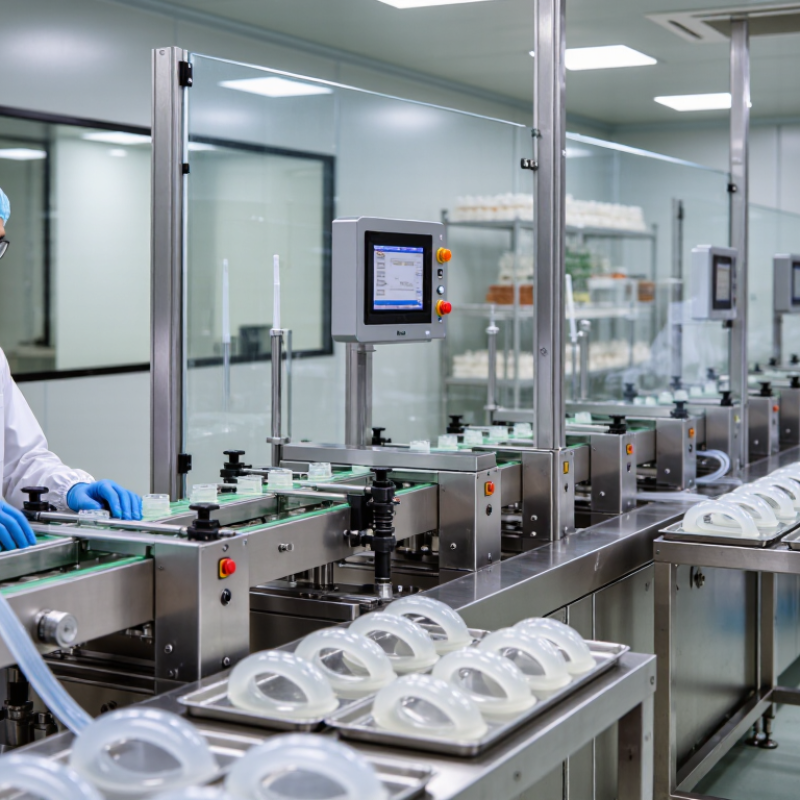
Medical-Grade Silicone Molding: Definition, Uses, and Industry Standards
Medical-grade silicone molding shapes cured silicone into precise healthcare components. The material remains flexible, chemically stable, and resistant to repeated sterilization. Common applications include tubing, seals, catheter parts, respiratory masks, wound-care products, and implantable components. However, “medical-grade” does not automatically mean safe for every patient or application. Performance depends on formulation, processing, curing, and intended contact duration.
Reliable manufacturers control contamination, mold accuracy, curing temperature, and batch traceability. They should support biocompatibility evaluation under ISO 10993 and quality systems aligned with ISO 13485. Product-specific requirements may also involve regional medical-device regulations and validated sterilization methods. Testing should cover hardness, tensile strength, compression set, particulate levels, and aging behavior. Small molding defects can affect sealing performance. That detail is easy to underestimate.
Tips: Ask for material certificates, validation records, and traceability documents. Review whether testing matches skin, blood, tissue, or implant contact. Inspect sample parts under magnification. A clean surface can still hide internal weaknesses. Define tolerances before tooling begins, and confirm every change through controlled documentation.
How to Evaluate Medical-Grade Silicone Molding Manufacturers
Evaluating medical-grade silicone molding manufacturers requires more than comparing prices or polished websites. Look for proven experience with implantable, wearable, or fluid-contact components. Ask for project examples with similar tolerances, geometries, and production volumes. A capable manufacturer should explain material selection, mold design, curing methods, and inspection controls in clear language.
Review quality evidence carefully. Check whether the facility maintains documented validation, lot traceability, controlled environments, and trained personnel. Request relevant material certificates, test reports, and process records. Confirm how the manufacturer manages dimensional inspection, cleanliness, packaging, and nonconforming parts. A strong supplier welcomes technical questions. Vague answers deserve attention. Certification alone is not enough.
Tips: Start with a small, documented trial run. Compare samples against drawings, not impressions. Examine flash, bubbles, parting lines, surface marks, and compression performance. Ask how changes are approved and recorded. Evaluate communication during difficult discussions. A supplier that admits limitations may be more reliable than one promising perfection. I have seen evaluations focus heavily on equipment and overlook response time. That mistake can delay corrective action later. Consider engineering support, backup capacity, and realistic lead times before approval.
Medical Silicone Molding Processes, Technologies, and Quality Controls
Medical silicone molding starts with material selection, not the mold. Liquid silicone rubber supports automated injection and repeatable production. Compression molding can suit simpler shapes and lower-volume development work. Transfer molding helps manage inserts and moderately complex geometries. Engineers review hardness, tear strength, shrinkage, and sterilization exposure. Small changes matter. A poorly placed vent may trap air near a sealing surface.
Experienced manufacturers combine CAD review with mold-flow analysis and controlled tooling trials. They verify cavity balance, gate design, flash control, and demolding behavior. In cleanroom production, teams monitor temperature, humidity, material age, and particle risks. Automated dispensing reduces mixing variation, but sensors still require calibration. Visual inspection alone cannot confirm critical dimensions or material performance. That limitation is easy to overlook. CMM measurement, optical inspection, tensile testing, and leak testing provide stronger evidence.
Reliable quality systems connect every batch to its material records, machine settings, operators, and inspection results. Process validation commonly includes installation, operational, and performance qualification. Biocompatibility documentation and sterilization compatibility must match the intended application. Sampling plans should reflect risk, not convenience. A thin diaphragm may deserve more attention than a cosmetic surface. No process is flawless. Tool wear, trapped air, and unnoticed handling changes can still create defects. Regular audits, trend reviews, and corrective actions help expose weak assumptions before they become recurring failures.
Top 10 Medical Grade Silicone Molding Manufacturers - Medical Silicone Molding Processes, Technologies, and Quality Controls
| Rank | Anonymized Manufacturer Profile | Primary Molding Processes | Medical Silicone Materials | Key Technologies | Quality Controls | Typical Applications | Relevant Standards and Compliance |
|---|---|---|---|---|---|---|---|
| 1 | Profile A — High-Volume Medical Molder | Liquid silicone rubber injection molding; automated insert molding | Platinum-cured LSR; translucent and color-matched grades | Multi-cavity tooling, robotic demolding, automated visual inspection | Lot traceability, dimensional inspection, cure verification, particulate monitoring | Seals, valves, diaphragms, fluid-management components | ISO 13485 quality systems; ISO 10993 biological evaluation support; controlled production environment |
| 2 | Profile B — Precision Micro-Molding Specialist | Micro-LSR injection molding; compression molding for small parts | Low-viscosity platinum-cured LSR; medical elastomer compounds | Micro-cavity tooling, high-precision mold inserts, vision measurement | Coordinate measuring equipment, first-article inspection, flash and burr checks | Micro seals, catheter components, sensor interfaces | ISO 13485; ISO 14971 risk-management support; documented process validation |
| 3 | Profile C — Silicone Overmolding Provider | Silicone overmolding; two-shot molding; insert molding | Platinum-cured LSR compatible with polymers and metal inserts | Chemical bonding, mechanical interlocks, automated insert placement | Bond-strength testing, leak testing, torque testing, in-process inspections | Handheld medical devices, grips, connectors, instrument interfaces | ISO 13485; material biocompatibility documentation; change-control procedures |
| 4 | Profile D — Compression Molding Specialist | Compression molding; transfer molding; post-cure processing | High-consistency silicone rubber; peroxide- or platinum-cured grades | Custom compound formulation, precision trimming, controlled post-curing | Hardness, tensile strength, elongation, compression-set and visual testing | Large seals, gaskets, membranes, respiratory components | ISO 13485; USP Class VI or equivalent material testing where specified; batch records |
| 5 | Profile E — Tubing and Extrusion Integrator | Silicone extrusion; injection-molded end fittings; thermal bonding | Medical-grade platinum-cured silicone tubing compounds | Continuous extrusion, laser marking, online dimensional monitoring | Bore and wall-thickness checks, pressure testing, cleanliness controls | Infusion sets, drainage tubing, pumps, respiratory circuits | ISO 13485; ISO 10993 test planning; applicable medical-device tubing specifications |
| 6 | Profile F — Cleanroom Assembly Molder | LSR molding; cleanroom assembly; automated packaging | Low-extractable platinum-cured silicone; pigment-controlled grades | Controlled-environment molding, ultrasonic cleaning, sterile-barrier packaging | Environmental monitoring, bioburden controls, particulate inspection, seal integrity testing | Surgical accessories, drug-delivery parts, sterile fluid-path components | ISO 13485; ISO 14644 cleanroom principles; sterilization validation support |
| 7 | Profile G — Catheter Component Manufacturer | Dip molding; insert molding; silicone tip and balloon forming | Medical-grade silicone elastomers with controlled hardness ranges | Mandrel forming, precision wall control, radio-opaque or color additive integration | Burst-pressure testing, tensile testing, dimensional inspection, leak testing | Catheters, balloons, cannulas, minimally invasive device components | ISO 13485; ISO 10993 biological evaluation support; validated cleaning processes |
| 8 | Profile H — Drug-Delivery Component Molder | Precision LSR injection molding; multi-material assembly | Low-volatility, low-extractable platinum-cured silicone | High-accuracy metering, automated assembly, drug-contact surface control | Extractables and leachables planning, dimensional control, functional flow testing | Diaphragms, plungers, seals, dosing and delivery assemblies | ISO 13485; ISO 10993; applicable pharmaceutical-contact and device requirements |
| 9 | Profile I — Rapid Prototyping and Validation Partner | Prototype compression molding; soft tooling; pilot-run injection molding | Prototype medical silicone; production-equivalent platinum-cured materials | Rapid tooling, design-for-manufacturing review, short-run process validation | Design verification reports, tolerance studies, material certificates, sampling plans | Concept models, clinical-trial components, engineering test parts | ISO 13485-aligned documentation; design-control and verification support |
| 10 | Profile J — Finished Device Contract Manufacturer | LSR molding; silicone bonding; final device assembly and packaging | Medical-grade silicone selected according to application, sterilization and shelf-life needs | Integrated tooling, assembly automation, serialization and packaging systems | Incoming inspection, in-process controls, final release testing, complaint traceability | Patient-contact assemblies, surgical devices, reusable and disposable equipment | ISO 13485; ISO 14971; ISO 11607 packaging validation support; applicable regulatory submissions |
Note: The rankings represent an industry-oriented comparison of anonymized manufacturer capability profiles. Actual supplier qualification should verify certifications, material certificates, process validations, biocompatibility evidence, facility controls and regulatory history.
Top 10 Medical-Grade Silicone Molding Manufacturers Compared
Comparing ten medical-grade silicone molding manufacturers requires more than checking annual capacity. The strongest candidates combine validated processes, experienced engineers, and controlled production environments. Most support liquid silicone rubber, high-consistency rubber, or compression molding. Their differences appear in tooling speed, cavity design, automation, and batch traceability. Cleanroom molding matters for implants, seals, tubing components, and drug-delivery parts. Ask for evidence, not polished claims.
A reliable manufacturer should operate under ISO 13485 and maintain documented material controls. ISO 10993 testing support can simplify biological evaluation, although the finished device still requires proper testing. Review mold-flow analysis, first-article inspection, process capability data, and change-control records. Some suppliers offer rapid prototypes, while others perform better during high-volume production. That trade-off is easy to miss. Request sample parts with measured dimensions, flash limits, and surface requirements.
The comparison should also examine engineering communication. Can the team explain tear strength, compression set, curing behavior, and sterilization effects clearly? Can it trace silicone batches to individual production lots? These details reveal practical experience. Yet no manufacturer is perfect. A supplier may have excellent molding equipment but limited regulatory support. Another may provide strong documentation but slower tooling changes. Site audits, quality agreements, and small pilot runs expose weaknesses earlier. Cost alone remains a poor selection method. Experienced buyers should compare total risk, not only piece price.
Top 10 Medical-Grade Silicone Molding Manufacturers Compared
This neutral reference chart compares ten internationally recognized standards commonly used when evaluating medical-grade silicone molding suppliers. The values represent the publication year of the cited edition, not a manufacturer ranking or performance score.
Key evaluation areas include quality management, risk management, biological evaluation, cleanroom control, and sterilization compatibility. A newer edition year does not automatically indicate superior supplier performance; buyers should verify current certification, validation records, traceability, and process controls directly.
Applications and Selection Considerations for Medical Silicone Components
Top 10 Medical Grade Silicone Molding Manufacturers
Applications and Selection Considerations for Medical Silicone Components
Medical-grade silicone components support seals, valves, diaphragms, tubing, gaskets, and wearable devices. Their flexibility helps protect sensitive assemblies from moisture, vibration, and repeated movement. Silicone is also used in patient-contact parts where softness and chemical stability matter. Fit matters. A poorly designed seal can fail despite excellent material quality.
When comparing molding manufacturers, examine material traceability, biocompatibility testing, and documented process controls. Platinum-cured liquid silicone rubber may suit high-volume, complex geometries. Compression molding can be practical for larger, simpler parts. Ask about cleanroom production, cavity consistency, dimensional inspection, and sterilization compatibility. Reliable suppliers should support design-for-manufacturing reviews before tooling begins. Small changes in wall thickness can affect curing, flash, and tear strength.
A polished sample is not enough. Request validation records, lot controls, and evidence of corrective-action procedures. Manufacturing audits often reveal gaps between written procedures and shop-floor practice. That detail deserves attention. Consider extractables, particulate control, packaging, and the component’s full service environment. Heat, lubricants, radiation, and repeated compression may change performance over time. No checklist replaces realistic testing, and some selection decisions remain uncertain until prototypes face actual use conditions.
FAQS
Look for similar implantable, wearable, or fluid-contact components. Ask about matching tolerances, shapes, and production volumes. Polished websites prove little.
They should explain material selection, mold design, curing, and inspection controls. Ask about hardness, tear strength, shrinkage, and sterilization exposure. Small changes matter.
Request material certificates, test reports, validation records, and process data. Confirm lot traceability from raw material through final inspection. Missing records deserve attention.
Start with a documented trial run. Compare samples with engineering drawings, not general impressions. Check flash, bubbles, parting lines, surface marks, and compression performance. This step can reveal uncomfortable weaknesses.
Liquid silicone injection supports automated, repeatable production. Compression molding may suit simpler shapes and lower-volume development. Transfer molding can support inserts and moderately complex geometries.
Ask how teams monitor temperature, humidity, material age, and particle risks. Confirm packaging and handling controls. Clean surroundings help, but they do not replace testing.
Visual inspection cannot confirm every critical dimension or material property. Ask about CMM measurement, optical inspection, tensile testing, and leak testing. A camera may miss a hidden dimensional problem.
Evaluate response time during difficult discussions. Ask how changes, corrective actions, backup capacity, and lead times are managed. A supplier admitting limits may be more reliable than one promising perfection. I might overvalue equipment. That mistake can delay action.
Conclusion
Medical Grade Silicone Molding is a specialized manufacturing process used to produce safe, reliable, and highly precise components for healthcare applications. This article explains the definition, key uses, and industry standards that guide medical silicone production, including requirements for biocompatibility, cleanliness, traceability, and consistent performance. It also outlines how to evaluate manufacturers by reviewing their technical expertise, quality systems, production capabilities, material control, validation procedures, and regulatory readiness.
The article compares the strengths of leading types of medical-grade silicone molding manufacturers without focusing on specific brand names. It discusses processes such as liquid silicone injection molding, compression molding, overmolding, and micro-molding, along with essential quality controls and inspection methods. Finally, it highlights applications in seals, valves, tubing, wearable devices, surgical tools, and drug-delivery components, while offering practical guidance for selecting a supplier based on design complexity, production volume, material needs, testing requirements, cost, and long-term reliability.

Blog Tags: